By Matt Petrat
August 18, 2026
The telecommunications landscape is undergoing rapid growth as communities demand faster, more reliable wireless connectivity. At the center of this expansion is the construction and ongoing upkeep of tall communications structures, including monopoles, lattice towers, and guyed towers. Constructing and preserving these elevated assets requires specialized machinery capable of hoisting massive steel sections, heavy mounting brackets, and delicate transmission gear high above the ground. Heavy duty cranes play an indispensable role in this sector, bridging the physical gap between ground-level engineering and sky-high installation.
Without heavy lifting equipment, expanding modern communications infrastructure would prove nearly impossible. Professional crane services provide the mechanical force, structural stability, and operational control necessary to execute these demanding lifts safely and efficiently. From installing primary tower foundations to performing routine maintenance high in the air, heavy machinery remains a cornerstone of physical network development.
Constructing Complex Cell Towers for Modern Networks
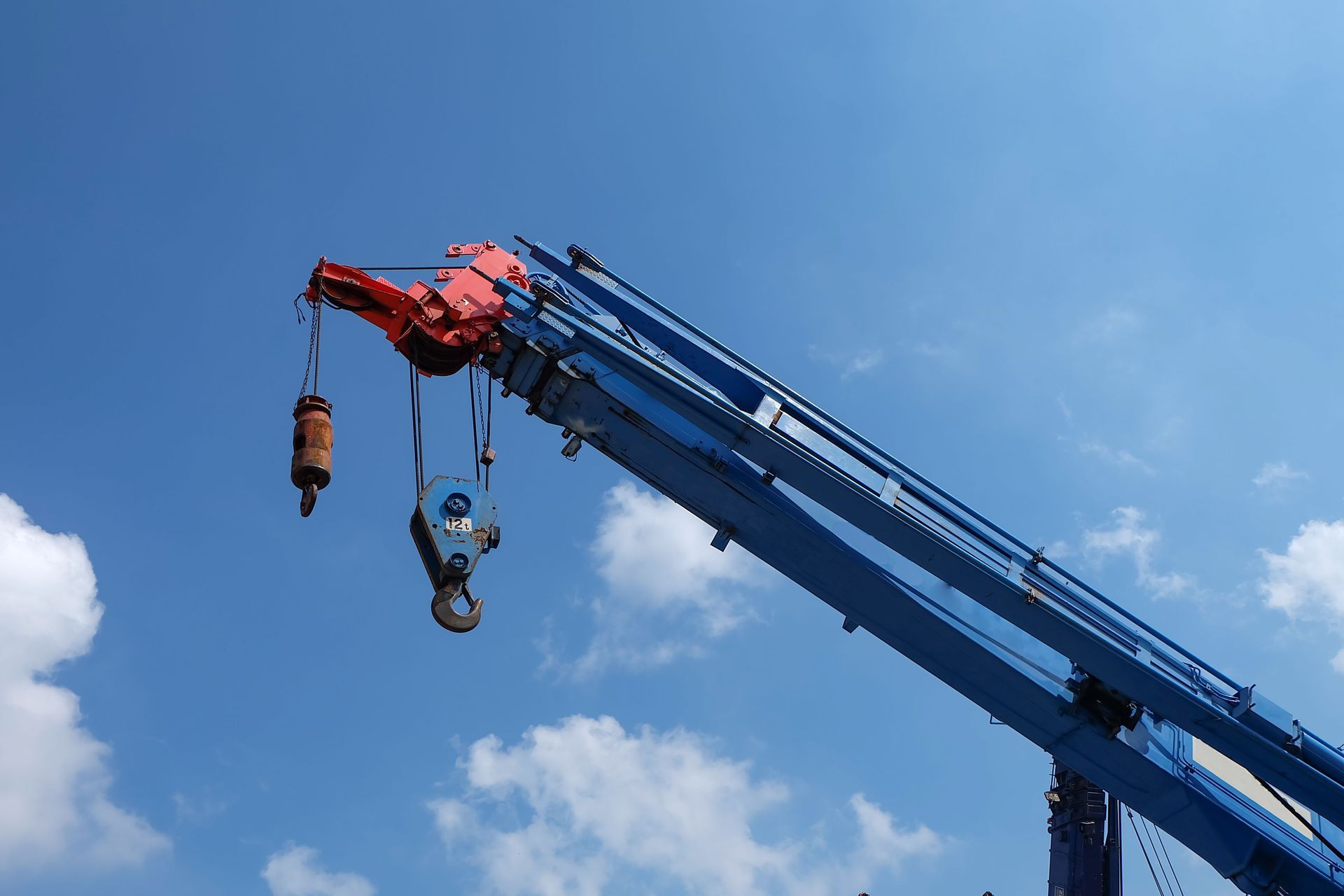
Building tall communications towers requires managing substantial structural weight at impressive heights. Heavy duty cranes supply the raw lifting power needed to raise heavy steel segments, base plates, and heavy structural frames into place during initial assembly. Because these towers must reach significant elevations to broadcast clear wireless signals across wide geographical regions, the machinery responsible for lifting must offer absolute structural stability. Professional crane services ensure that each component moves upward smoothly, allowing construction crews to complete structural framing on schedule without unexpected delays.
Precision is equally vital when placing delicate electronic components near the top of a tower. Heavy cranes allow operators to maneuver large antenna arrays, microwave dishes, and structural mounts with incredible control. Gentle placement prevents costly damage to sensitive hardware while ensuring that structural connections lock together perfectly. By combining raw power with steady mechanical handling, heavy lifting machinery allows build teams to uphold strict engineering standards during every stage of assembly.
Enhancing Safety Standards in High-Altitude Job Sites
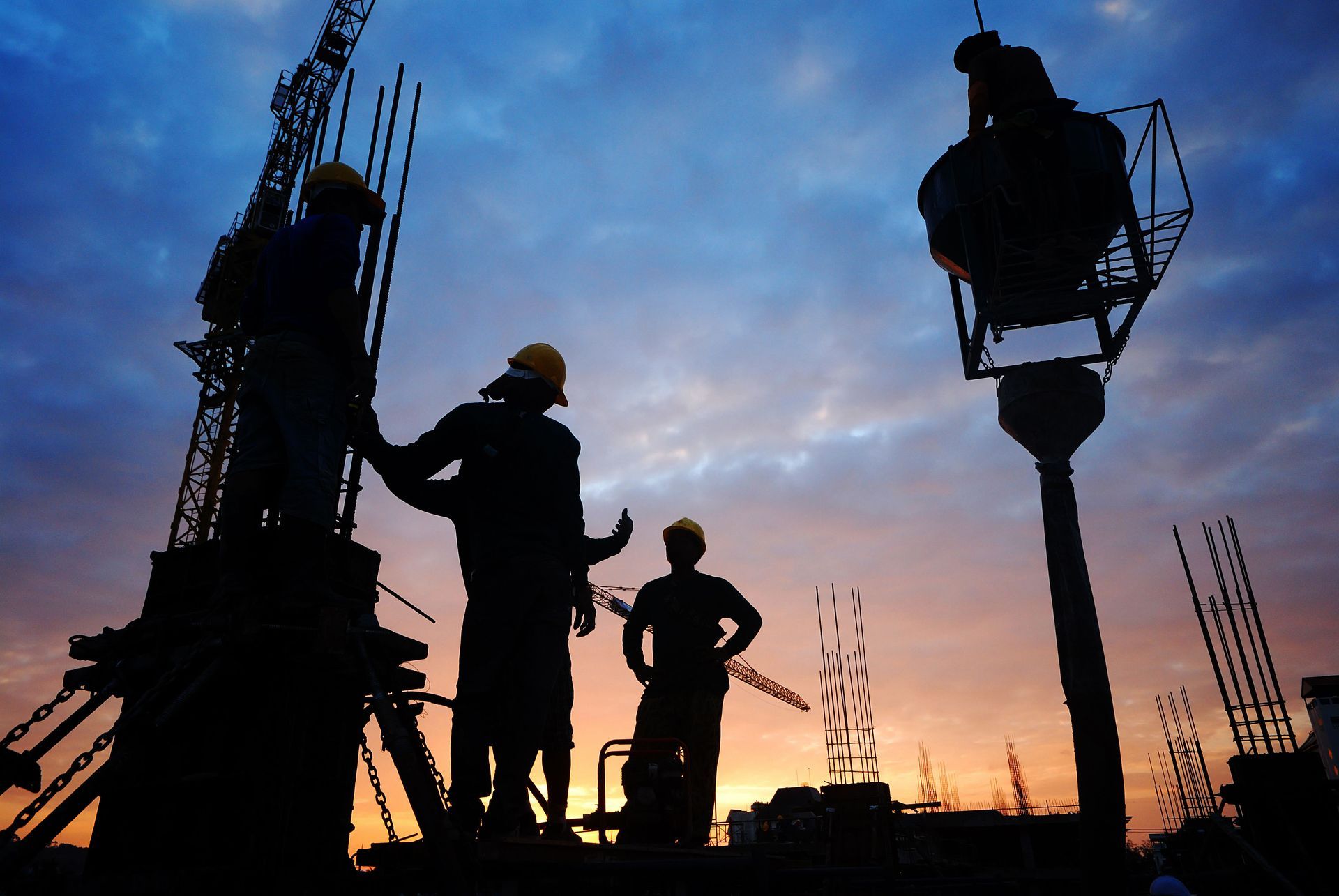
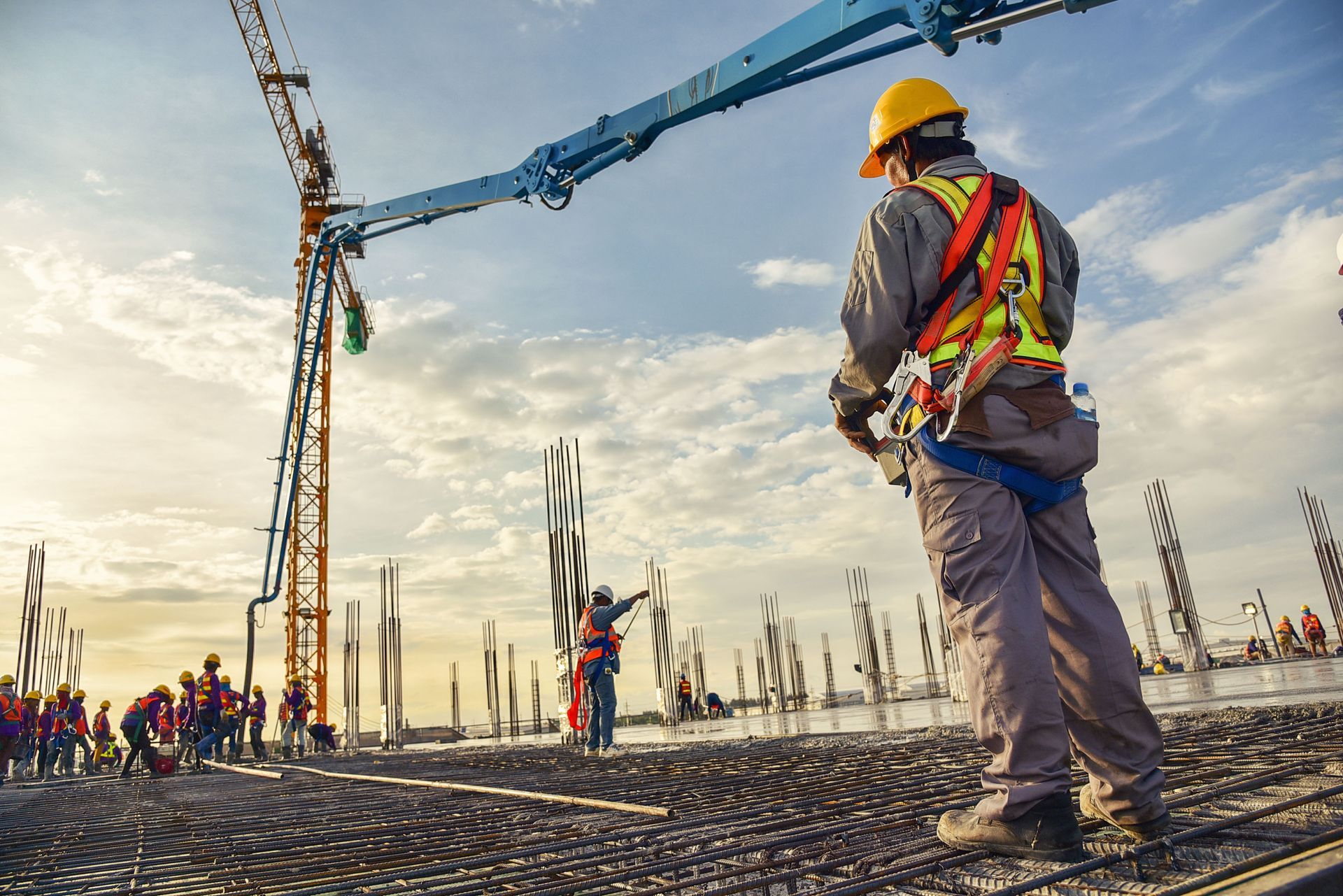
Working at elevated heights inherently involves physical risks for construction crews and rigging personnel. Heavy duty cranes mitigate these operational hazards by serving as stable, controlled platforms during heavy lifting tasks. Modern cranes come engineered with advanced physical safety mechanisms, including mechanical outriggers, robust counterweights, load moment indicators, and physical anti-collision hardware. These essential safeguards help prevent mechanical tipping, structural strain, and physical accidents while heavy loads hang suspended high above the work zone.
Enforcing strict safety guidelines protects both ground crews and elevated rigging specialists throughout the build. Operating heavy machinery requires certified personnel who understand proper weight distribution, rigging techniques, and site safety protocols. Contracting expert crane services ensures that every lift is carefully planned and executed under rigid safety protocols. Prioritizing site safety minimizes physical workplace hazards, preserves equipment integrity, and fosters a secure working environment across complex job sites.
Accelerating Tower Maintenance and Component Replacement
Cellular towers endure constant exposure to harsh environmental elements, leading to inevitable physical wear over time. Strong winds, heavy rainfall, and temperature fluctuations can degrade structural fasteners, structural mounts, and electronic hardware. Heavy duty cranes are vital for routine maintenance operations, providing reliable reach to elevated sections of the structure. Maintenance crews depend on this lifting machinery to hoist replacement parts, swap out worn structural components, and install updated hardware to keep networks performing reliably.
Rapid repair execution is critical to preventing extended service interruptions for surrounding communities. When structural damage or hardware failures occur, mobile cranes can quickly deploy to the site to support immediate restoration work. Using dependable crane services enables technicians to safely detach damaged hardware and raise replacement units in a single continuous operation. This operational agility keeps network downtime to a minimum while preserving consistent communications access for local residents.
Navigating Challenging Terrains in Remote Locations
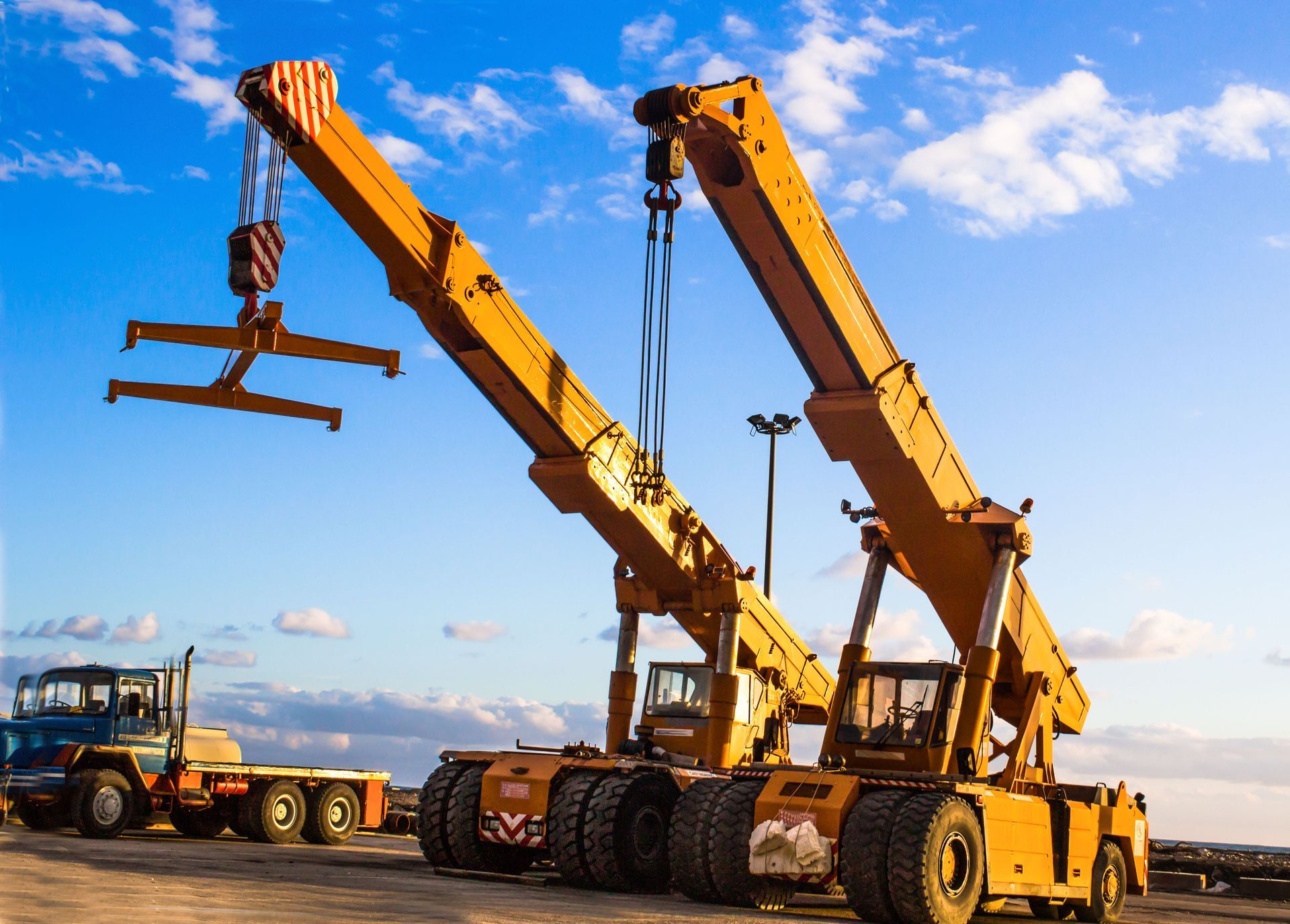
Telecommunication networks must frequently expand into remote, undeveloped regions to provide vital coverage to underserved populations. Building cell towers in rural areas, mountainous regions, or dense forests presents significant logistical hurdles, including unpaved access paths, steep inclines, and unstable soil. Heavy duty cranes designed for off-road transport overcome these physical obstacles, traveling across rough terrain to reach isolated construction sites without getting bogged down. Specialized transport capabilities ensure heavy structural components arrive safely at distant build sites without project delays.
Once on-site, these versatile machines offer flexible setup configurations that adapt to sloped or uneven ground conditions. Their specialized track systems and broad outrigger footprints distribute physical weight evenly, securing the crane on soft or unpredictable surfaces. Utilizing adaptable crane services allows project managers to establish cell towers in difficult geographic environments without disturbing the surrounding natural landscape. This adaptability ensures that geographic barriers do not limit the reach of essential communications networks.
Boosting Economic Value in Telecommunications Development
The expansion of mobile network infrastructure serves as a major catalyst for broader regional economic growth. Reliable communications systems empower local businesses, support emergency public services, and drive commercial activity across urban and rural markets. According to GMI, industry forecasts project the global crane rental market to expand from USD 19.8 billion in 2025 up to USD 43.1 billion in 2034, reflecting a CAGR of 9%. This steady market growth underscores the essential role heavy lifting equipment plays in building modern infrastructure around the world.
In addition to supporting overall economic connectivity, the heavy lifting industry generates meaningful employment opportunities across local communities. Deploying heavy cranes requires a skilled workforce, including certified crane operators, professional riggers, maintenance technicians, and site safety coordinators. Engaging local crane services fosters technical job creation while contributing to the economic vitality of surrounding municipalities. Through steady employment and infrastructure enablement, heavy machinery drives ongoing economic progress.
Supporting Network Expansion to Meet Growing Demands
As global reliance on mobile data, emergency broadcasting, and wireless communication grows, infrastructure developers must continuously expand network capacity. Meeting this demand requires erecting new cell towers alongside structural upgrades to existing installations. Heavy duty cranes offer the operational flexibility required to manage diverse lifting applications, from installing heavy monopole bases to repositioning structural steel trusses. This versatility allows network operators to scale their physical assets efficiently as connectivity needs evolve.
Beyond standard construction tasks, heavy lifting machinery plays a pivotal role in emergency storm recovery and disaster relief efforts. Severe weather events can damage communication towers, knocking out vital regional contact lines. Mobile cranes assist in clearing heavy debris, stabilizing damaged structures, and hoisting temporary emergency cell transmitters to restore critical service. Partnering with versatile providers of crane services ensures that communities maintain resilient, adaptable communications infrastructure during both routine expansion and unexpected weather crises.
Heavy duty cranes remain an essential foundation of the cell tower industry, enabling the safe construction, upkeep, and expansion of modern telecommunications infrastructure. Their impressive reach, physical load capacity, and operational stability allow work crews to overcome challenging elevated environments and difficult off-road locations. From hoisting heavy structural steel during initial construction to assisting with emergency storm cleanup, these versatile machines ensure that communications networks remain strong, reliable, and continuously accessible.
As connectivity demands continue to rise across the region, having access to experienced operators and modern machinery is crucial for successful infrastructure projects. Relying on professional crane services ensures that every high-altitude project is completed with absolute precision, safety, and operational excellence. When your next telecommunications project demands dependable lifting power and proven expertise, contact us at Harbour Crane Service to discover how our dedicated team can support your goals.