Construction projects depend heavily on equipment that can safely and efficiently handle demanding lifting tasks. Choosing the right crane is one of the most important decisions for any project because the wrong equipment can create delays, increase costs, and reduce overall productivity. Every jobsite presents unique challenges related to space, terrain, materials, and project timelines, which means careful planning is essential before selecting lifting equipment.
The variety of cranes available today allows contractors to match equipment with highly specific job requirements. From urban developments to industrial projects, selecting the proper crane helps improve workflow while supporting safer operations. Many project managers work closely with local crane companies to evaluate site conditions and determine which crane type aligns with project demands.
Modern construction growth continues to increase the demand for specialized lifting equipment. According to ANSI, during major urban construction surges, there have been around 100,000 active tower cranes operating worldwide. This highlights how essential cranes have become in supporting large-scale development projects across different industries and environments.
Understanding the key factors involved in crane selection can help construction teams make informed decisions that support efficiency, safety, and long-term project success.
Evaluate Site Conditions
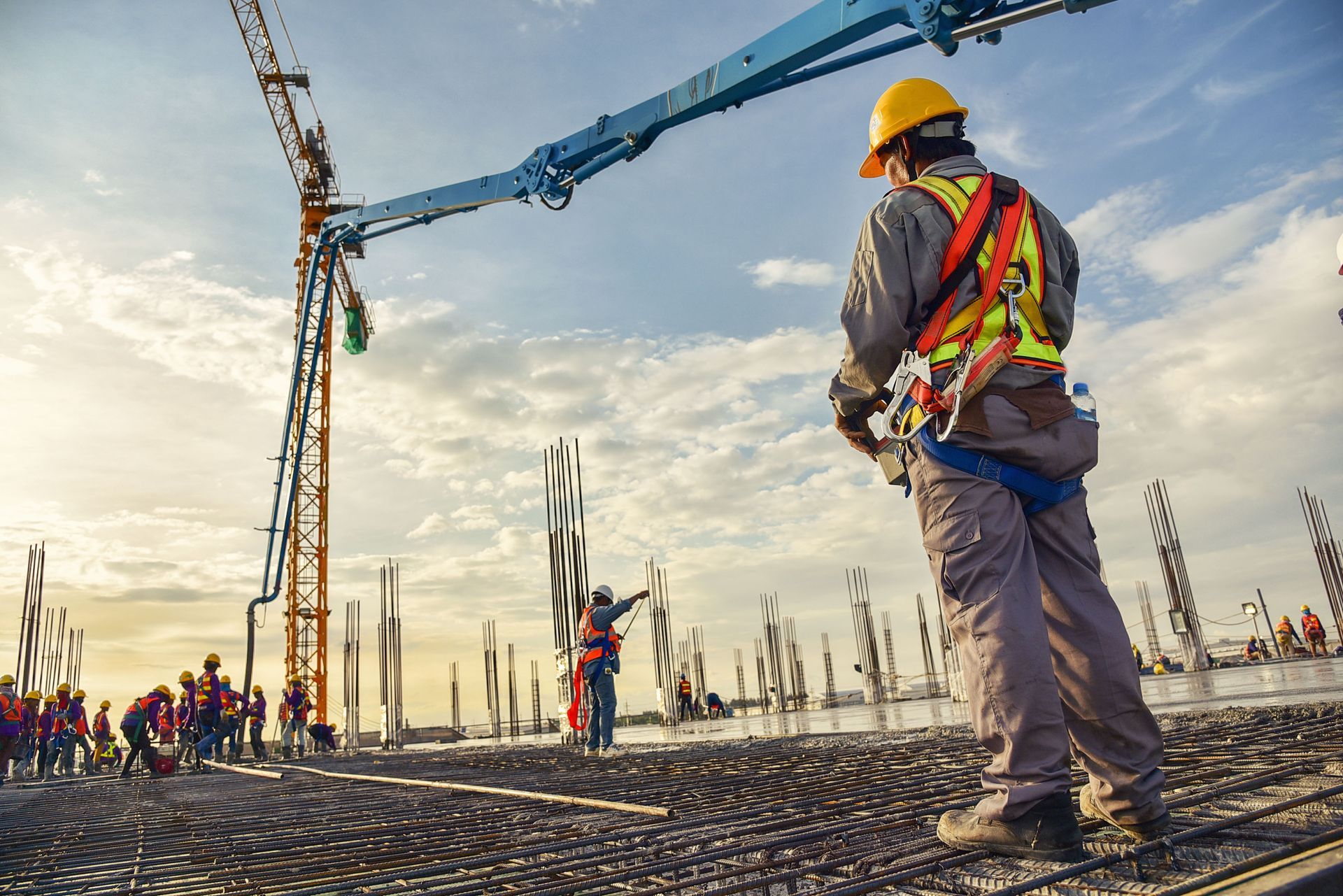
One of the first steps in choosing the right crane is evaluating the construction site itself. Site conditions significantly influence what type of crane can operate effectively and safely within the available space. Factors such as ground stability, elevation changes, nearby structures, and access points all affect crane selection.
Projects located in crowded urban environments often require cranes capable of operating in tighter areas with limited maneuverability. In contrast, open construction sites may allow for larger equipment with broader lifting capabilities. Ground conditions are especially important because unstable surfaces can affect crane performance and create safety concerns during lifting operations.
Environmental considerations also play a role in crane selection. Weather exposure, surrounding utilities, and overhead obstacles should all be reviewed before equipment arrives on-site. Working with experienced local crane companies can help identify potential challenges early and ensure the selected crane aligns with site-specific requirements.
Careful evaluation of site conditions helps prevent unnecessary disruptions while supporting smoother construction operations from the beginning of the project.
Compare Crane Types
Different crane types are designed to perform specific functions, making it important to understand how each option fits a project’s needs. Selecting the right crane often involves balancing lifting capabilities, mobility, reach, and operational flexibility.
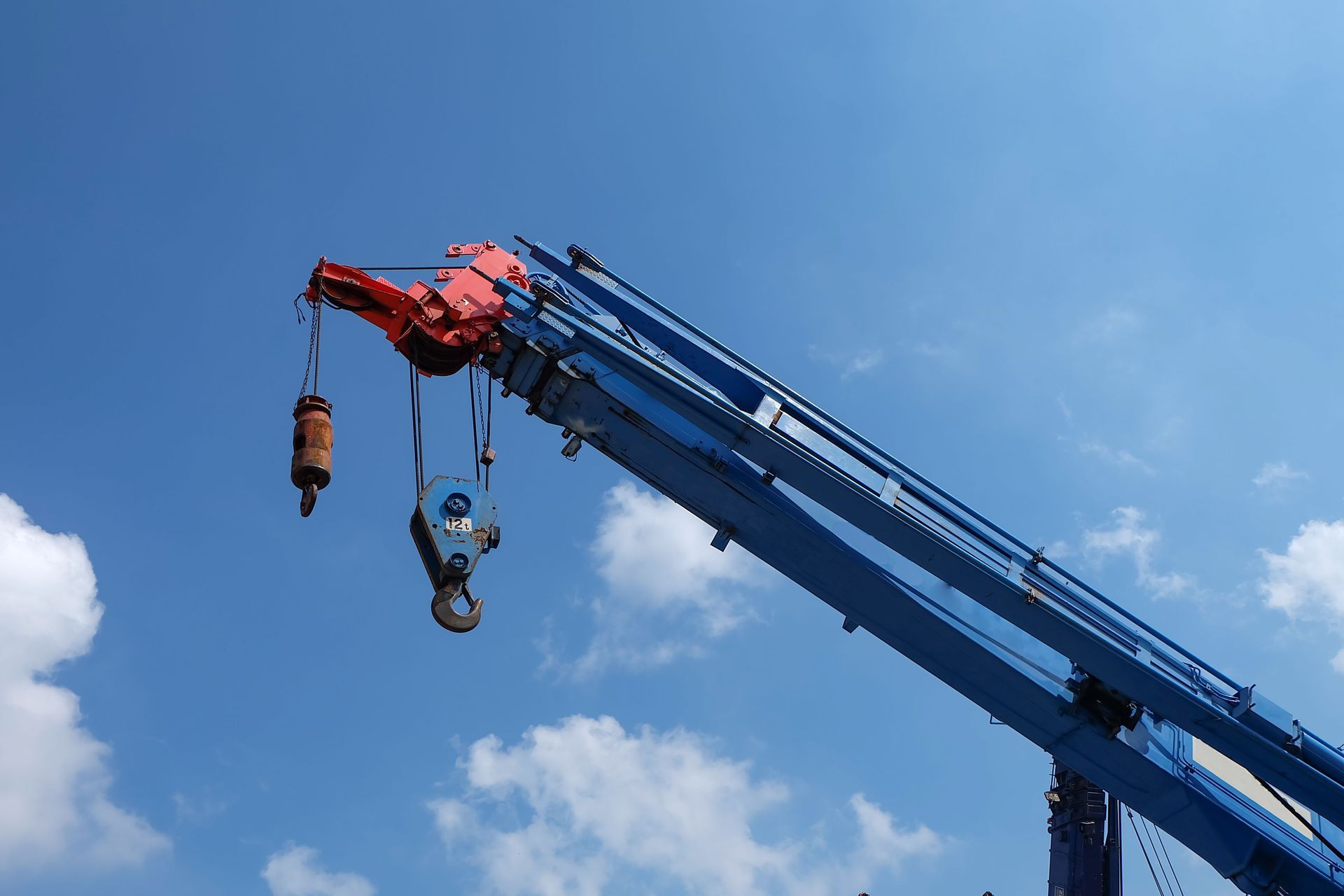
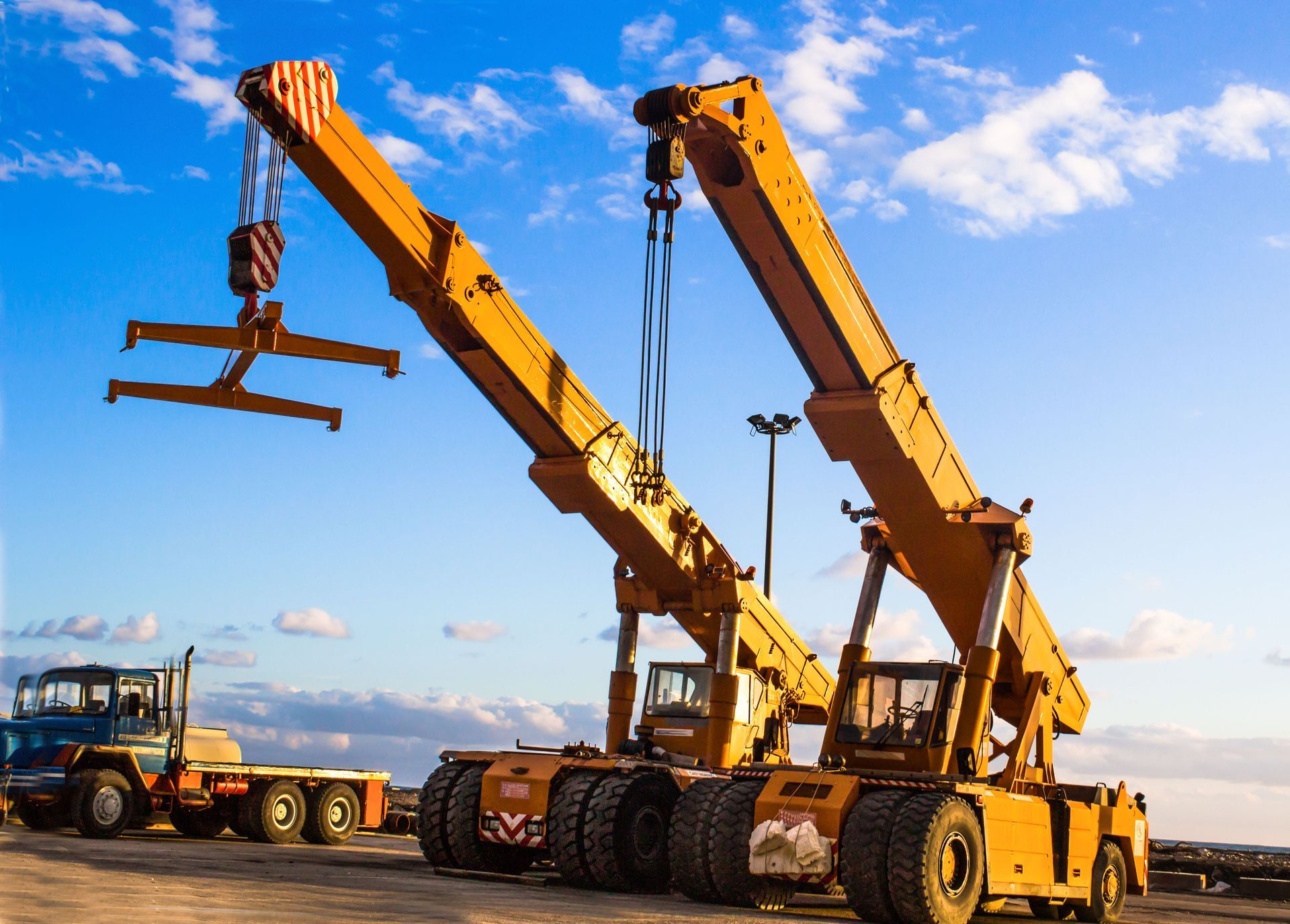
Tower cranes are commonly used for large vertical construction projects because they provide substantial height and lifting capacity. Mobile cranes offer versatility and can move more easily between locations, making them ideal for projects that require flexible positioning. Rough terrain cranes are designed for uneven surfaces and challenging outdoor conditions, while crawler cranes provide stability for heavy lifting tasks.
Some projects may benefit from compact cranes that can operate in confined spaces or indoor environments. Others may require cranes capable of reaching over structures or navigating difficult access points. Understanding the strengths of each crane category allows project managers to select equipment that complements the scope of work.
Consulting with local crane companies can help contractors determine which crane style best supports project timelines, material handling needs, and operational efficiency.
Assess Lifting Requirements
Choosing the right crane also requires a detailed understanding of the materials and equipment that will be lifted throughout the project. Lifting requirements influence crane size, boom length, operational range, and overall performance expectations.
Construction teams should carefully review the dimensions, weight distribution, and placement requirements of the loads involved. Some materials may require precise positioning at elevated heights, while others may involve repetitive lifting throughout the workday. Selecting a crane that matches these demands helps improve efficiency while reducing operational strain.
Future project phases should also be considered during the planning process. A crane that meets only current lifting needs may become inadequate as construction progresses. Planning can help minimize disruptions and avoid the need for equipment changes later in the project.
Reliable local crane companies often assist contractors in evaluating lifting demands to ensure the selected crane can support both immediate and long-term project requirements.
Prioritize Jobsite Safety
Safety should remain a primary consideration when selecting any type of construction equipment. Cranes operate in complex environments where careful coordination and proper equipment selection are essential for reducing risk.
Choosing the correct crane helps support safer lifting practices by ensuring the equipment is appropriate for the work environment and intended tasks. Cranes that are too large for confined spaces or too small for demanding lifts can increase operational challenges and create unnecessary hazards.
Visibility, stability, and load control all contribute to safe crane operations. Jobsite managers should also consider how the crane will interact with nearby workers, structures, and equipment. Clear communication and coordinated planning are critical for maintaining organized operations.
Professional local crane companies often provide valuable guidance regarding equipment safety considerations, helping contractors select cranes that align with both regulatory standards and practical jobsite conditions.
Review Accessibility and Mobility
Accessibility plays a major role in determining which crane is best suited for a construction site. Transportation routes, entry points, and on-site maneuverability can affect how efficiently equipment operates throughout the project.
Some construction sites have narrow access roads or limited staging areas that restrict the use of larger cranes. In these situations, compact or highly maneuverable cranes may provide better operational flexibility. Projects that require frequent repositioning may benefit from mobile cranes capable of moving efficiently between work zones.
Mobility is especially important for projects involving multiple lift locations across a large site. Equipment that can adapt to changing project demands helps improve workflow while minimizing downtime associated with repositioning or setup adjustments.
Partnering with local crane companies allows contractors to evaluate logistical considerations before equipment arrives, helping ensure smoother operations and reduced project interruptions.
Consider Long-Term Project Efficiency
The right crane selection can influence overall project efficiency from start to finish. Construction schedules often depend on reliable lifting operations, making equipment performance an important factor in meeting deadlines and maintaining productivity.
Efficient crane operations help streamline material movement, reduce unnecessary delays, and support better coordination among construction teams. Equipment that aligns closely with project requirements can improve workflow while helping crews complete tasks more effectively.
Maintenance considerations should also be reviewed when choosing a crane. Reliable equipment with consistent performance helps reduce operational disruptions and supports more predictable project scheduling. Contractors often benefit from selecting cranes supported by experienced service providers who understand the demands of complex construction environments.
Working with trusted local crane companies can provide access to equipment expertise, operational guidance, and dependable support throughout the duration of a project. This collaboration helps construction teams make informed decisions that contribute to smoother and more efficient operations.
Choosing the right crane for a construction site requires careful evaluation of project goals, site conditions, lifting demands, safety considerations, and operational efficiency. Every construction environment presents unique challenges, making it important to select equipment that aligns with both immediate tasks and long-term project needs. By working with experienced professionals and carefully reviewing available options, contractors can improve productivity while supporting safer and more organized jobsite operations.
At Harbour Crane Service, we understand how important reliable lifting solutions are to successful construction projects. Our team works closely with clients to help identify the right equipment for each job site while supporting safe, efficient, and dependable operations from start to finish.