By Matt Petrat
September 16, 2026
When industrial facilities, commercial construction sites, or large-scale infrastructure projects require the relocation of massive machinery and structural components, the logistical hurdles can often seem insurmountable. Moving oversized, overweight, or highly sensitive equipment across a busy job site requires much more than brute force and basic transportation. It demands precise engineering, meticulous coordination, and specialized machinery capable of bearing immense loads safely. For project managers and site supervisors, engaging professional crane services provides the specialized expertise necessary to execute these high-stakes maneuvers flawlessly. Whether you are lifting a massive HVAC unit onto the roof of a commercial skyscraper, placing delicate manufacturing presses onto a factory floor, or positioning massive steel beams for a new bridge, the right heavy-lifting partner makes all the difference. In this comprehensive guide, we will explore exactly how these specialized operations facilitate the safe, efficient, and cost-effective movement of large-scale equipment.
How Proper Planning Helps Handle Complex Equipment Relocations
The process of lifting and moving large-scale equipment is fraught with complex variables that can quickly derail a project if not properly managed. First and foremost is the issue of weight and balance. Industrial equipment often features irregular shapes and uneven weight distribution, meaning that the center of gravity is not always intuitively obvious. Attempting to lift such an object without exact calculations can lead to catastrophic shifting, dropped loads, and severe damage to the asset. Furthermore, spatial constraints present a major obstacle. Construction sites and industrial plants are frequently congested environments filled with existing structures, power lines, subterranean utilities, and personnel. Maneuvering massive machinery through these tight corridors requires extreme precision and an in-depth understanding of spatial geometry. Environmental factors, including wind speed, soil stability, and precipitation, also play a critical role in determining how and when a lift can safely occur. Because these variables are so unpredictable and highly consequential, relying on dedicated crane services is an absolute necessity for mitigating risk and ensuring that heavy assets are relocated without incident.
How Professional Rigging Helps Handle Dangerous Lifting Environments
Safety is the single most critical component of any construction or relocation project. When dealing with loads that weigh tens or even hundreds of thousands of pounds, the margin for error is effectively zero. A single miscalculation, equipment failure, or rigging error can result in devastating property damage, project delays, or tragic loss of life. This is exactly why premier crane services implement exhaustive safety protocols long before a piece of equipment ever leaves the ground. Professional lifting teams utilize advanced 3D lift planning software to simulate the entire operation virtually, calculating load charts, boom angles, and swing radii to ensure the crane operates well within its safe working limits. Additionally, expert riggers meticulously inspect every sling, shackle, and spreader bar to guarantee the structural integrity of the lifting apparatus. Ground bearing pressure is also rigorously evaluated to ensure the earth below can support the immense weight of the crane and its load. By prioritizing exhaustive risk assessments and strict adherence to safety protocols, professional lifting providers create a secure environment where even the most daunting equipment moves are executed with precision and care.
How Specialized Machinery Helps Handle Unique Site Constraints
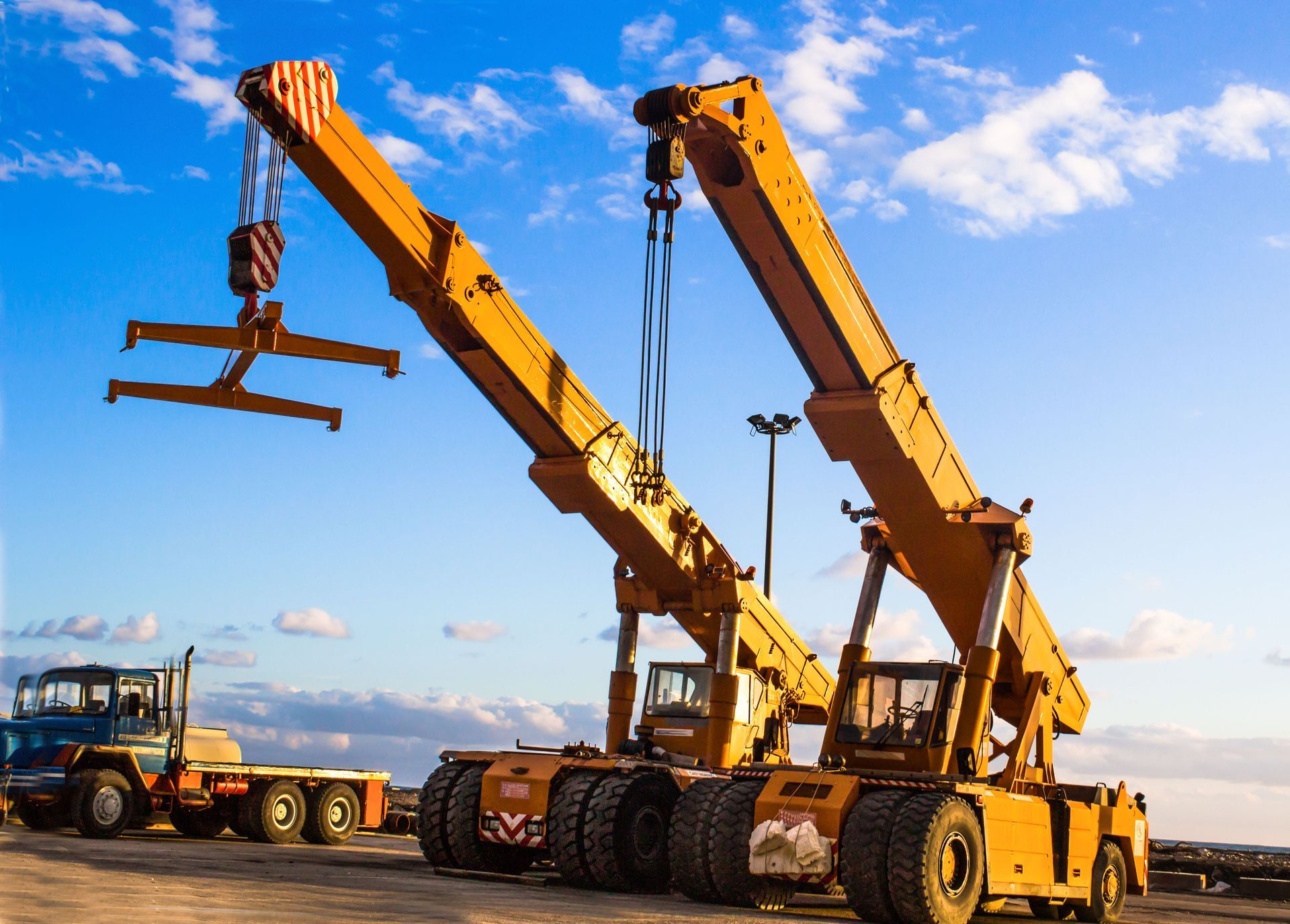
Not all heavy equipment moves are created equal, and no single crane is suited for every job. One of the primary advantages of working with an established lifting provider is gaining access to a diverse fleet of state-of-the-art machinery tailored to specific operational requirements. Comprehensive crane services provide access to a wide array of specialized equipment, ranging from agile mobile cranes and all-terrain cranes to massive crawler cranes and tower cranes. For instance, if a project requires rapid mobility across a sprawling job site with uneven terrain, in our experience, a rough-terrain crane equipped with oversized tires and four-wheel steering is the ideal solution. Conversely, if a contractor is erecting a high-rise building and needs to lift heavy steel components hundreds of feet into the air, a towering structure fixed to the ground is required. Having the right machinery on site eliminates the need for improvised, inefficient lifting methods. By matching the specific load parameters and site conditions with the exact type of lifting equipment required, professional providers dramatically accelerate the pace of the project while maintaining impeccable safety standards.
How Certified Operators Help Handle Precision Lift Requirements
Even the most advanced and powerful lifting machinery in the world is virtually useless — and potentially dangerous — without a skilled professional at the controls. Operating heavy lifting equipment requires an intricate understanding of physics, mechanics, and spatial awareness. The men and women who sit in the operator's cab are highly trained technicians who must interpret complex load charts, monitor wind speeds, and communicate seamlessly with ground crews via hand signals and radios. According to the BLS, roughly 42,260 crane and tower operators are employed across the U.S. These dedicated professionals undergo rigorous certification processes, such as those mandated by the National Commission for the Certification of Crane Operators (NCCCO), to prove their competency in handling heavy loads under immense pressure. During blind lifts — where the operator cannot directly see the load being placed — they must rely entirely on their training, their equipment's onboard computer systems, and the verbal cues of their spotters. This level of synchronized expertise is the linchpin of successful equipment moves, ensuring that high-value assets are handled with the utmost precision.
How Strategic Scheduling Helps Handle Costly Project Delays
In the industrial and commercial sectors, time is invariably tied to money. Prolonged equipment moves can force facility shutdowns, halt assembly lines, and delay entire construction schedules, resulting in massive financial losses. Consequently, executing a lift swiftly and efficiently is just as important as doing it safely. Partnering with experienced crane services ensures that the relocation process is integrated seamlessly into the broader project timeline. Long before the lifting equipment arrives on site, professional project managers coordinate with site supervisors to establish a meticulous schedule. This involves determining the optimal time of day to perform the lift, coordinating the arrival of flatbed trucks carrying the equipment, and preparing the staging area to ensure immediate access. By proactively identifying potential bottlenecks — such as narrow access roads, scheduling conflicts with other trades, or inclement weather patterns — the lifting team can develop robust contingency plans. This level of strategic foresight prevents costly delays, keeps the project moving forward, and ultimately protects the client's bottom line.
How Regulatory Compliance Helps Handle Strict Industry Standards
The heavy lifting industry is heavily regulated by local, state, and federal agencies, and for good reason. Ensuring compliance with the Occupational Safety and Health Administration (OSHA) and other regulatory bodies requires an encyclopedic knowledge of industry codes and legal requirements. When executing a large-scale equipment move, project managers must often secure a myriad of permits, especially if the lift involves road closures, manipulating power lines, or operating in densely populated urban environments. Reputable crane services manage the complex web of regulatory compliance on behalf of their clients. They understand exactly which permits are required, how to navigate local municipal bureaucracies, and what documentation must be kept on site to satisfy safety inspectors. Furthermore, they ensure that all machinery is up to date with its annual inspections and that all personnel possess the required, valid certifications. By outsourcing this heavy bureaucratic lifting to industry experts, contractors and facility managers can shield themselves from steep fines, legal liabilities, and regulatory shutdowns.
When you are planning your next major industrial relocation or construction milestone, you should rely on professionals who have built their reputation on precision, safety, and reliability. For the absolute highest quality crane services tailored to your specific project needs, reach out to Harbour Crane Service.